

UV Resistant PVC Pipe: Outdoor Durability Guide 2026
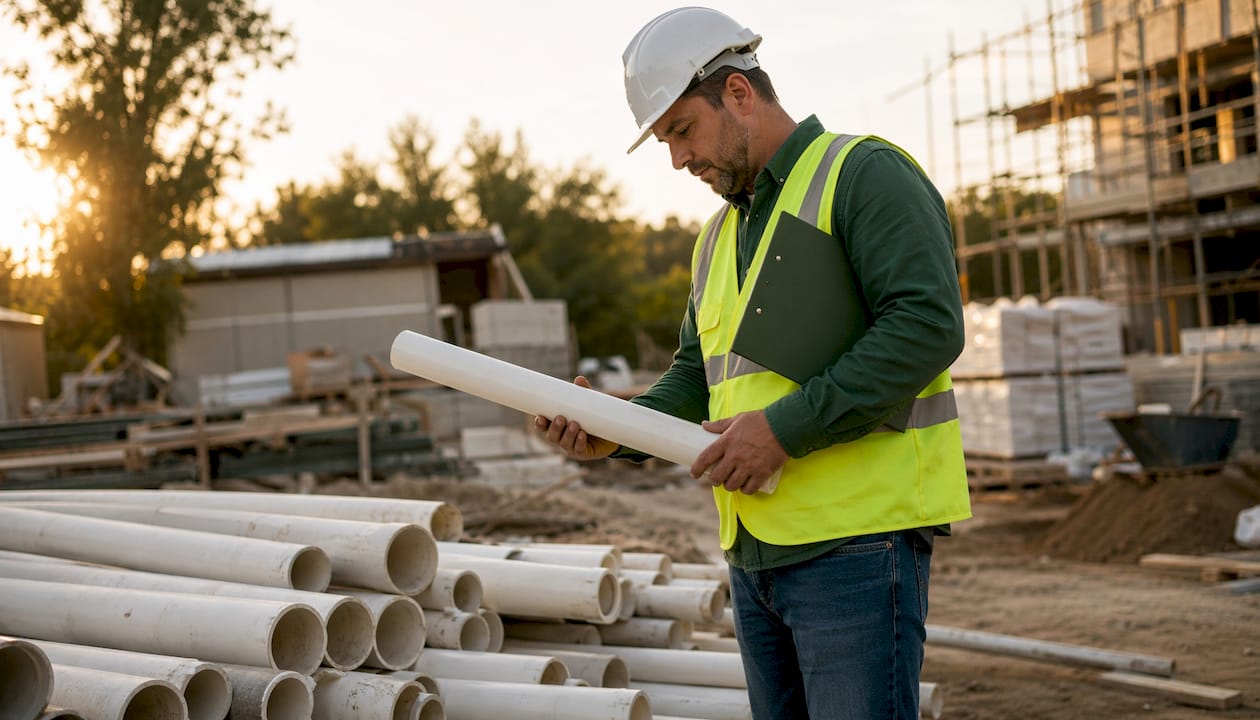
What is UV resistant PVC pipe and does it actually work?
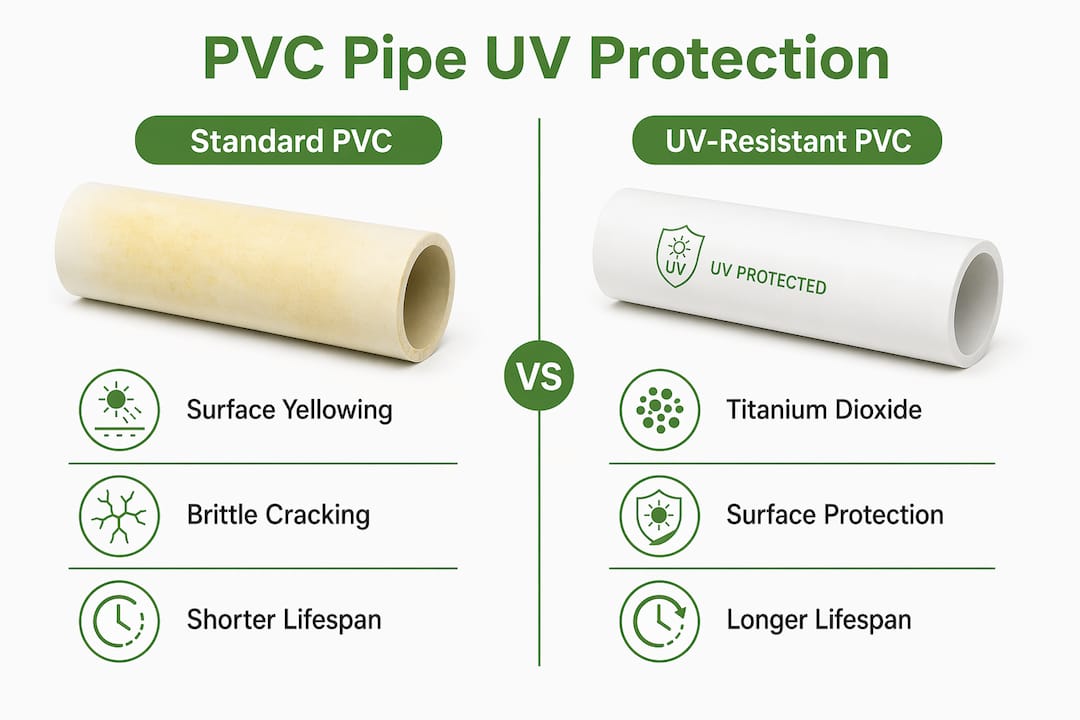
UV resistant PVC pipe is standard polyvinyl chloride formulated with UV inhibitors, most commonly titanium dioxide, that slow the surface degradation caused by direct sunlight. The short answer: yes, it works, but with an important caveat. UV protection in PVC is primarily a surface defense. It limits discoloration and surface hardening while leaving the pipe’s structural core intact.
The Uni-Bell PVC Pipe Association is clear on this point: UV damage is essentially a sunburn on the pipe’s outermost layer, not a structural failure. That distinction matters for anyone choosing pipe for an outdoor pergola, irrigation system, garden greenhouse, or exposed conduit run.
UV resistant PVC pipe (or what we call, Furniture Grade PVC) is the right call for:
Above-ground outdoor plumbing and irrigation lines (Some Gray PVC Conduit has UV Stabilizer too)
DIY furniture frames, shade structures, and garden trellises
Exposed conduit runs in sunny climates
Greenhouse framing and hoop house construction
Outdoor pet enclosures and play structures
Any application where the pipe stays in direct sunlight for more than a few months
How UV exposure damages standard PVC pipe outdoors
Standard PVC without enhanced UV inhibitors starts showing visible wear faster than most people expect. Surface yellowing can appear within 6–12 months of outdoor exposure, and brittleness increases noticeably after about two years of direct sunlight.
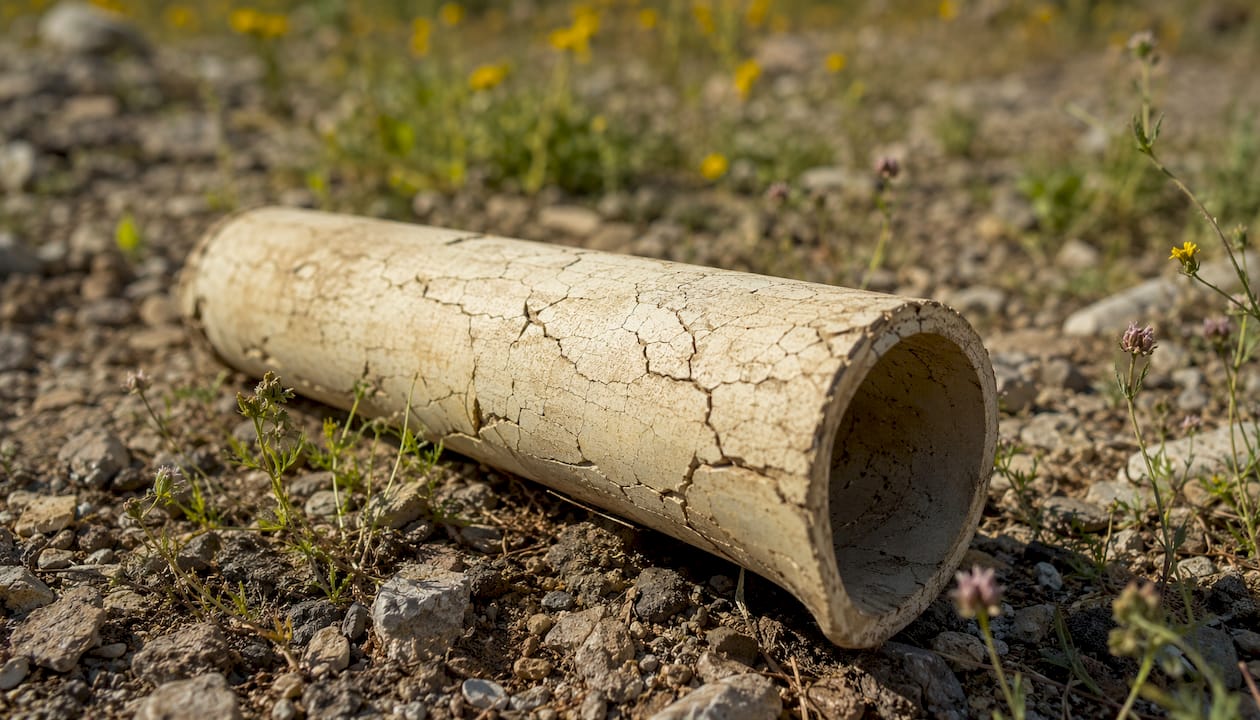
The good news is that the damage stays shallow. UV rays convert PVC molecules to polyene, a process that causes yellowing and surface hardening, but only penetrates 0.001 to 0.002 inches into the pipe wall. The core retains its tensile strength and load-bearing capacity. A pipe flattened to 40% of its original inside diameter after 15 years of UV exposure showed no cracking in testing by the Uni-Bell PVC Pipe Association, which confirms the structural story holds up over time.
The practical concern for DIYers and contractors is not the collapsing. It is brittleness at the surface that makes the pipe harder to cut cleanly, and cosmetic yellowing that looks rough on visible outdoor structures. For aesthetic projects like outdoor furniture or garden frames, that surface aging is a real issue worth addressing.
Types and formulations of UV-resistant PVC pipe you should know
Not all UV resistant pipe is the same. The level of protection varies significantly by formulation, and knowing the difference helps you pick the right product.
Standard PVC with titanium dioxide: The baseline for most UV rated pipe. Titanium dioxide is added to the compound to reflect UV rays and slow surface degradation. Westlake Pipe’s standard products use this formulation and rate it for two years of cumulative outdoor storage in the U.S. and Canada.
Yelomine formulations: Westlake’s proprietary Yelomine compound contains over five times more UV inhibitors than standard PVC pipe. Products made to AWWA C900, ASTM D2241, and Certa-Set specifications use this compound for above-ground installations where long-term UV exposure is expected for utility services like plumbing and electrical.
Schedule 40 UV rated pipe: Schedule 40 refers to wall thickness, no UV resistance. A Schedule 40 pipe can carry a UV resistant rating if its compound includes the right additives. Pacific Plastics produces a Schedule 40 UV resistant pipe rated to ASTM D1784 with special additives in the compound specifically for above-ground applications.
Schedule 80 PVC: Thicker walls than Schedule 40, but UV resistance still depends on the compound, not the schedule. Schedule 80 is not inherently more UV stable unless the formulation includes UV inhibitors.
Furniture-grade PVC: Manufactured to tighter tolerances and with UV inhibitors suited for visible, aesthetic applications. This is the category Circo Innovations works in, where surface appearance matters as much as structural performance.
Clear UV resistant PVC: A niche product used in applications where flow visibility matters, such as certain laboratory or display setups. Less common outdoors but available from specialty distributors like Circo Innovations.
Pro Tip: When buying pipe for any outdoor project, check the product datasheet for the ASTM cell classification. A cell class of 12454B per ASTM D1784 confirms the compound meets Type 1, Grade 1 PVC standards, which is the baseline for UV-rated above-ground pipe.
How to protect PVC pipe from UV degradation outdoors
Choosing a UV resistant formulation is step one. Protecting the pipe after installation extends its life further, especially in high-sun climates like the Southwest or Florida.
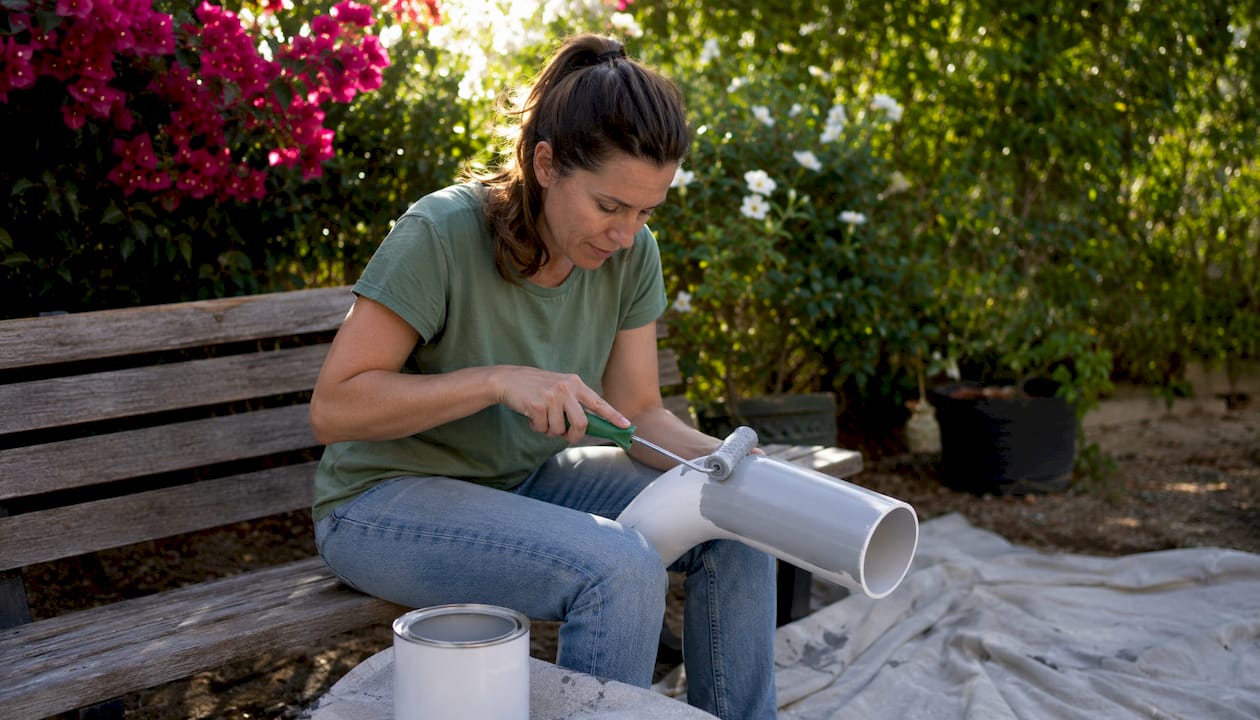
Paint with latex or acrylic paint. Water-based latex paint forms a UV barrier on the pipe surface. Clean the pipe first, remove any moisture or oil, then apply a thin coat. Never use petroleum-based paint; it prevents bonding and can damage the pipe.
Cover with an opaque tarp or shade cloth. An opaque, ventilated covering blocks direct sun while allowing air to circulate. Ventilation is not optional. Heat buildup under a sealed cover accelerates degradation faster than UV exposure alone.
Bury or shade with soil. For pipes near grade, covering with soil completely eliminates UV exposure. Once underground, UV has no further effect.
Use a shed or roofed structure. Roofing blocks sun entirely during storage or for exposed runs under an overhang.
Request factory wrap from your supplier. Some manufacturers offer factory-applied wrapping for pipes that will be stored outdoors before installation.
Pro Tip: Never wrap PVC pipe tightly with non-breathable plastic sheeting. Heat trapped under an airtight wrap can exceed the pipe’s rated temperature and cause deformation, which is a faster path to failure than UV exposure itself.
Regular inspection matters too. Periodic visual checks catch early signs of surface cracking or gasket hardening before they become installation problems. Check gaskets specifically: a cracked or hardened gasket on a UV-exposed fitting should be replaced before assembly.
How long does PVC pipe actually last in direct sunlight?
Standard PVC with titanium dioxide holds up structurally for well beyond a decade outdoors. The two-year threshold cited across the industry is a storage guideline indicating when surface yellowing and minor brittleness might become visible, rather than a point of structural failure. Testing by the Uni-Bell PVC Pipe Association confirmed that after two years of extreme sun exposure across 12 U.S. locations, tensile strength and modulus of elasticity showed no meaningful change.
Geographic location affects how quickly surface aging appears. A pipe in Phoenix, Arizona sees far more UV intensity than one in Seattle, Washington. High-altitude locations also accelerate surface degradation due to thinner atmospheric UV filtering. For DIY projects in the Sun Belt, using a Yelomine-type formulation or adding a latex paint coat is a practical hedge against faster cosmetic aging.
For contractors specifying pipe for permanent above-ground installations, the combination of a UV-rated compound plus a ventilated cover or paint coat is the standard approach. For DIYers building outdoor furniture or garden structures with furniture-grade PVC pipe, the formulation choice at purchase is the most important decision.
Trusted U.S. suppliers of UV-resistant PVC pipe and fittings
Finding the right supplier depends on your project scale, pipe type, and whether you need fittings to match.
Circoinnovations: Specializes in furniture-grade PVC fittings and kits with UV resistance built for DIY outdoor and indoor structures. Their specialized fittings, Snap Clamps and free project plans make them the go-to for anyone building garden frames, outdoor furniture, or pet enclosures without needing specialized tools or glue.
U.S. Plastic Corporation: A large-scale supplier of American-made industrial plastic products including UV resistant pipe and fittings for commercial and industrial applications. Strong catalog depth for contractors sourcing in volume.
Pipe Xpress Inc: A leading thermoplastic pipe distributor serving local and nationwide clients. Carries PVC and CPVC pipes with UV rated formulations for utility and commercial projects, with competitive pricing and fast delivery.
PVC Fittings Online: Focuses on low-cost PVC and CPVC fittings compatible with UV resistant pipe. Good option for plumbing and industrial outdoor applications where fitting variety matters.
Utility Pipe Supply Inc: A woman-owned, DBE-certified distributor specializing in underground and above-ground utility conduit, including UV stable PVC products for contractors working on infrastructure projects nationwide.
Key Takeaways
UV resistant PVC pipe protects outdoor installations primarily at the surface level, preserving structural performance for well over a decade when properly selected and maintained.
Point | Details |
UV damage stays shallow | Degradation affects only 0.001–0.002 inches of the pipe wall, leaving core strength intact. |
Two-year surface threshold | Visible yellowing may start within 6 to 12 months, with increased surface brittleness after 2 years of direct sun exposure. |
Enhanced formulations exist | Yelomine-type compounds contain over five times more UV inhibitors than standard PVC. |
Ventilated covers beat sealed wraps | Heat buildup under airtight coverings accelerates degradation faster than UV exposure alone. |
Furniture-grade matters for aesthetics | Specialized UV-rated pipe preserves appearance in visible outdoor structures where cosmetics count. |
Recommended
Happy Building!


Comments