

Why PVC Caps Are Essential for Your Pipe Projects
Updated: Feb 5
When working on DIY projects involving PVC pipes, one often overlooked but crucial component is the PVC Pipe Cap. These small fittings play a significant role in ensuring your project is both functional and durable. Whether you are building a garden irrigation system, a custom storage rack, or a creative art installation, PVC caps provide the finishing touch that protects and secures your work.

The Importance of PVC Caps in DIY Projects
PVC caps serve as protective end pieces for PVC pipes. They seal off the open ends of pipes, preventing dirt, debris, and moisture from entering. Caps can be used to keep sand, water or concreate in to help with added weight. Or caps can be used to anchor your pipe to the ground or wall.
Using PVC caps also helps maintain the integrity of your piping system by:

Preventing leaks: Caps create a tight seal that stops water or air from escaping.
Enhancing safety: Open pipe ends can be sharp or hazardous; caps cover these edges.
Improving aesthetics: Caps give your project a clean, finished look.
Extending pipe life: By blocking contaminants, caps reduce wear and tear.

How PVC Caps Fit Into Your Project Design
When selecting PVC caps, consider the size and type of your pipes. Caps come in various diameters and styles, such as slip-on or threaded, to match your pipe specifications. Choosing the right cap ensures a snug fit and reliable seal.

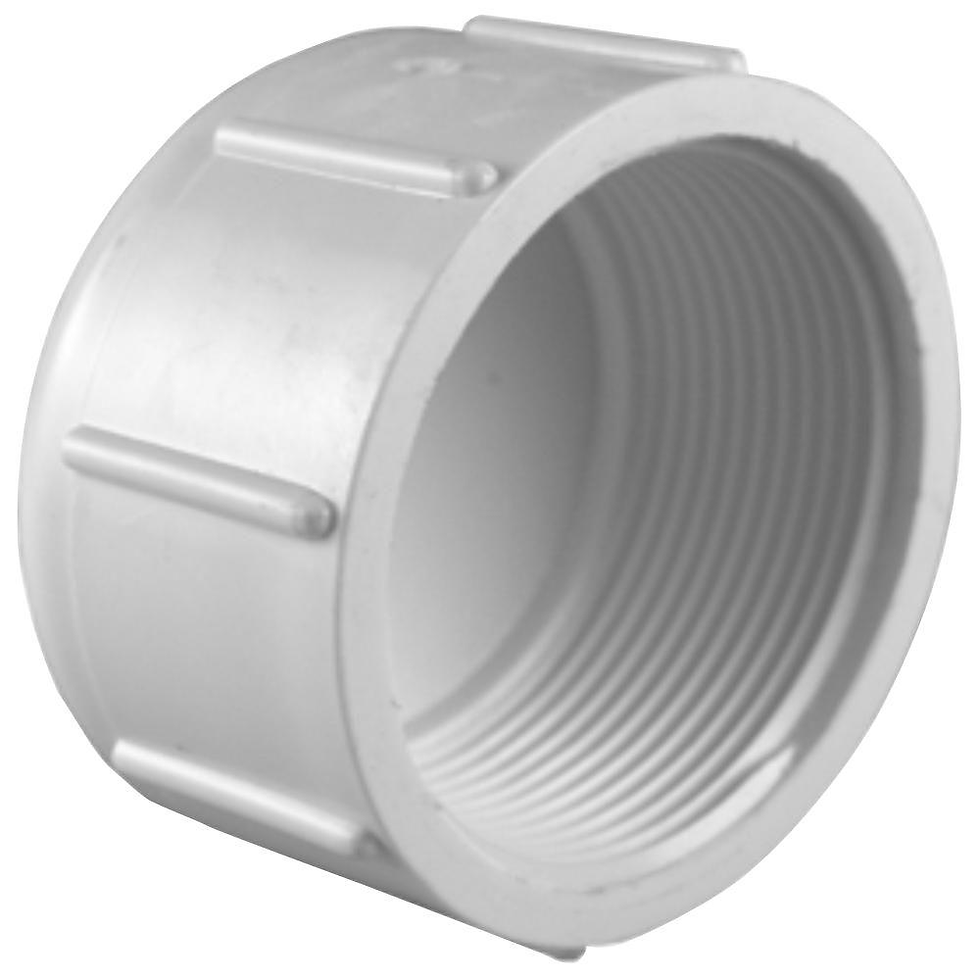
Incorporating PVC caps into your design can also add versatility. For instance, removable caps allow easy access for cleaning or modifications. Snap-on caps provide quick installation without tools, ideal for temporary setups or prototypes.
Here are some practical tips for using PVC caps effectively:
Match the cap size exactly to your pipe diameter to avoid leaks. Circo PVC Caps are sized for Standard Schedule 40 PVC pipe.
Use primer and PVC cement for permanent, watertight seals. Many times when building with PVC we don't use glue on caps because they fit tightly already and it's not necessary for DIY PVC projects that are not pressure related.
Consider using colored caps to differentiate sections or functions.
Plan for future access by using threaded or removable caps where needed.
By integrating these fittings thoughtfully, you can enhance both the functionality and appearance of your project.

How do you cap off a PVC pipe?
Capping off a PVC pipe is a straightforward process that ensures the pipe end is sealed and protected. Here’s a step-by-step guide to help you install a cap using PVC pipe solvent/glue:
Measure the pipe diameter to select the correct cap size.
Clean the pipe end with a cloth to remove dirt and moisture. Also make sure there's nothing inside the pipe before capping it off.
Apply PVC primer to the outside of the pipe end and the inside of the cap if you are using a solvent.
Apply PVC cement to the primed areas quickly before the primer dries.
Push the cap onto the pipe firmly and twist a quarter turn and hold it in place for 30 seconds to ensure a strong bond.
Allow the joint to cure for the recommended time before exposing it to pressure or water.
For threaded caps, simply screw the cap onto the pipe end and tighten it by hand or with a wrench if necessary. Threaded caps are ideal for applications where you may need to remove the cap later.
This method works well for sealing off unused pipe ends in plumbing, irrigation, or creative projects, preventing leaks and contamination.
Benefits of Using PVC Pipe Caps
Using PVC pipe caps from a reliable supplier like Circo Innovations ensures you get high-quality components designed for durability and ease of use. These caps are made from sturdy PVC material that resists cracking, UV damage, and chemical exposure.
Some key benefits include:
Durability: Long-lasting materials withstand harsh conditions.
Ease of installation: Designed for quick and secure fitting.
Compatibility: Available in various sizes and types to fit any project.
Cost-effectiveness: Affordable components that save time and money.
By choosing quality caps, you reduce the risk of project failure and maintenance issues. This is especially important for outdoor or load-bearing applications where reliability is critical.
Creative Uses for PVC Caps Beyond Sealing Pipes
PVC caps are not just for sealing pipe ends. Their shape and material make them useful in many creative and practical ways:
Feet or bumpers: Attach caps to the bottom of PVC legs to protect floors and provide stability.
Storage containers: Use caps as lids for small PVC pipe sections to create custom storage tubes.
Decorative elements: Paint or modify caps to add color and texture to your project.
Connectors: Combine caps with other fittings to create unique joints or closures.

For example, crafters can use caps to make custom knobs or handles, while inventors might repurpose them as protective covers for sensitive components.
Exploring these alternative uses can inspire new ideas and expand the possibilities of your PVC projects.
Final Thoughts on the Role of PVC Caps in Your Builds
Incorporating PVC caps into your projects is a simple yet essential step that enhances durability, safety, and appearance. Whether you are sealing off pipes, adding protective feet, or creating custom closures, these fittings provide practical solutions that improve your work.
By selecting the right caps and installing them properly, you ensure your creations stand the test of time and function as intended. For those looking to source reliable components, Circo Innovations offers a wide range of high-quality PVC caps and fittings tailored to the needs of DIY builders and creatives.
Embrace the versatility and utility of PVC caps to elevate your next project to the next level.

Grass Valley, CA
Circo Innovations, Inc.


Comments